Bosch front-load washer freshness depends on managing moisture and detergent residue. Clean user-accessible areas and let them dry.
A Bosch front-load washer stays fresh mainly through three habits: keep the door seal clean and dry, use the right detergent in the right amount, and run the washer’s cleaning program as the manual describes. If odor appears with standing water, slow draining, a leak, or drain codes, it has moved beyond routine care. Odor on its own is a maintenance signal, not a pump diagnosis.
A washer can complete every program correctly and still develop odor if moisture and detergent residue remain in the same areas between loads.
Freshness is mainly a maintenance problem until there is standing water, a leak, or a drainage fault.
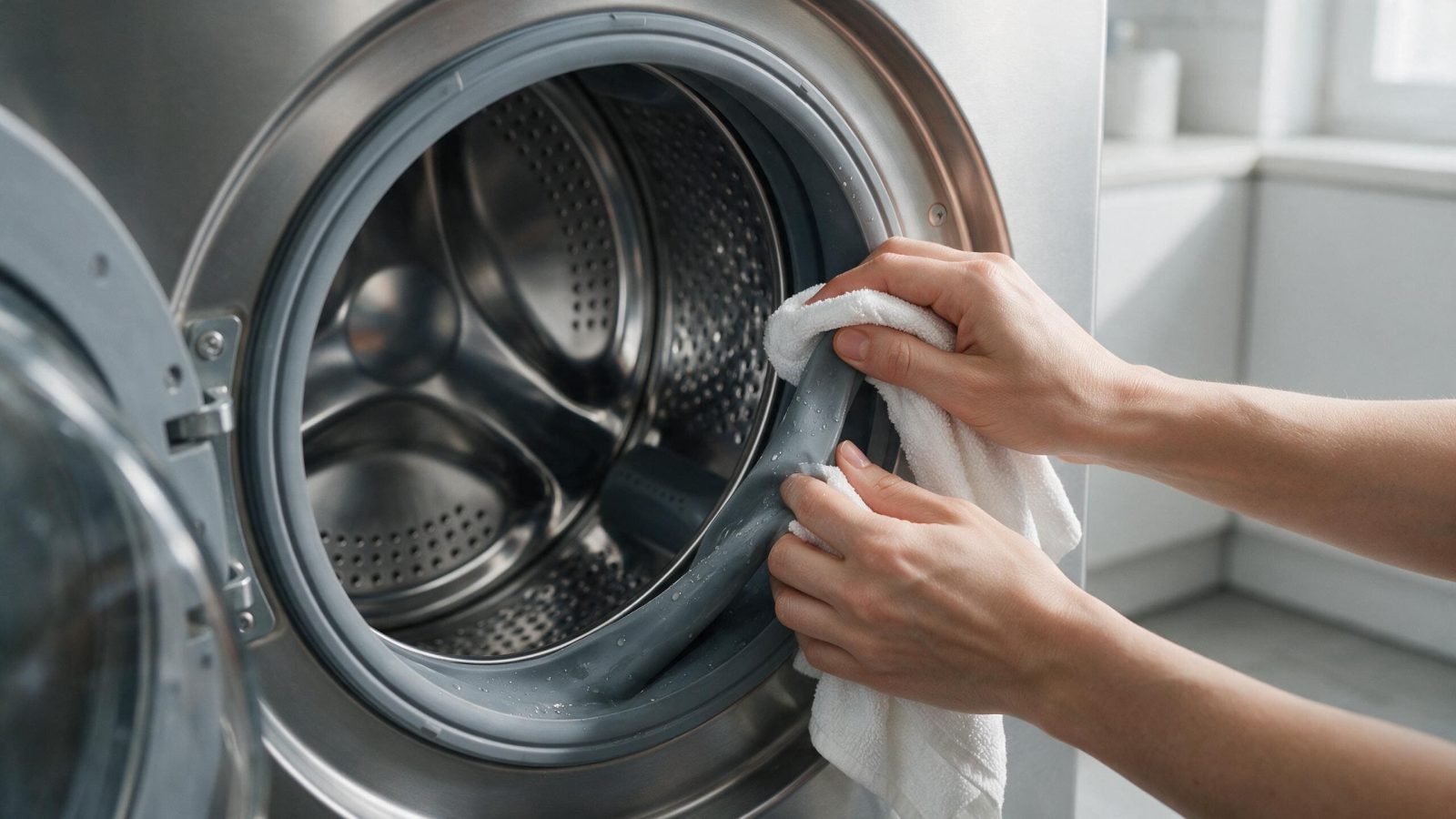
Residue and moisture gather in the same few places: the door seal folds, the dispenser drawer area, and the drum. The manual for one Bosch washer says to check the drum for debris after each load, and the Bosch US support page on seal care says to wipe the seal with a soft damp cloth. Small items or lint caught in a fold can hold water between loads and add to the smell.
After use, inspect the accessible gasket folds for water, lint, or small items.
Wipe the surface gently. Do not use sharp tools or aggressive chemicals that can damage rubber.
The same support page says to avoid abrasive and chlorine cleaners, which can degrade the rubber. Use the soft damp cloth it describes rather than anything stronger.
Where the owner instructions and household conditions make it safe, allow the door and detergent area to dry between uses rather than sealing residual moisture inside. A damp seal and drawer area that never get a chance to dry are where smell can build, so even a short period with the door slightly open helps if your household situation allows it.
More detergent does not automatically mean cleaner laundry.
Excess foam and residue can make rinsing harder and leave more material behind. Follow the detergent and load guidance for the model.
The manual for one Bosch washer says to use only HE detergent, and that too much or non-HE detergent causes suds, slow draining, foam out of the drawer, and an E:18 message. It adds that too little detergent can gray laundry and calcify heating elements. The right amount sits between those two failure modes.
| What you notice | What it can point to | What you can safely check |
|---|---|---|
| Musty smell, drum otherwise empty | Moisture or residue held in the seal folds or drawer area | Wipe the visible seal and let the door and drawer area dry between uses |
| Smell with heavy suds | Too much or non-HE detergent | Compare your detergent type and amount with the manual |
| Smell and gray-looking laundry | Too little detergent, according to the manual for one model | Review the dose against the manual |
| Smell with water left in the drum | A drainage problem | Use the manual’s drain and filter steps for your model |
| Smell that returns right after cleaning | A condition beyond routine care | Run the approved cleaning program once, then book service if it returns |
Use the washer-cleaning cycle and approved product described in the manual.
Do not mix cleaners.
The manual for one Bosch washer describes a Drum Clean program and says to run it before the first load, because a little factory test water may remain in the drum. The same program is the washer-cleaning cycle this article refers to for upkeep. Look in your manual for its exact name on your model, and use only the product it names.
Pay attention if odor appears with:
Those symptoms can point beyond routine care.
Moisture trapped for long periods is the common thread. A load left sitting wet in a closed drum keeps the seal and drum damp, so removing laundry promptly after the cycle also helps. If the washer leaves clothes wetter than usual, drainage is the first question rather than freshness.
Use Bosch Washer Finishes Wet: Why Drainage and Balance Come Before Spin if the machine is not removing water normally.
Water supply can affect how the washer rinses. The manual for one washer says to clean the water inlet strainers if the water supply slows, and recommends cleaning them every six months in hard-water areas. A restricted inlet can slow filling, which in turn leaves detergent less well rinsed. Follow the manual’s steps with the water off.
Residue that returns quickly after proper cleaning is worth mentioning to a technician along with the detergent you use.
If freshness problems are paired with drainage or leaking, request Bosch Washer Repair.
More detergent can increase residue. Use the correct amount.
Follow the model guidance and consider household safety. The goal is to allow moisture to dry when practical.
No. Odor alone is not a pump diagnosis.
The manual for your model sets the schedule, and it may vary. Use the program name and product it describes, and do not mix cleaners.
The Bosch US support page says to avoid abrasive and chlorine cleaners on the seal because they can degrade the rubber. Wipe with a soft damp cloth instead.
The manual for one Bosch washer says too little detergent can gray laundry and calcify heating elements. Follow the dose guidance rather than adding extra or cutting back.
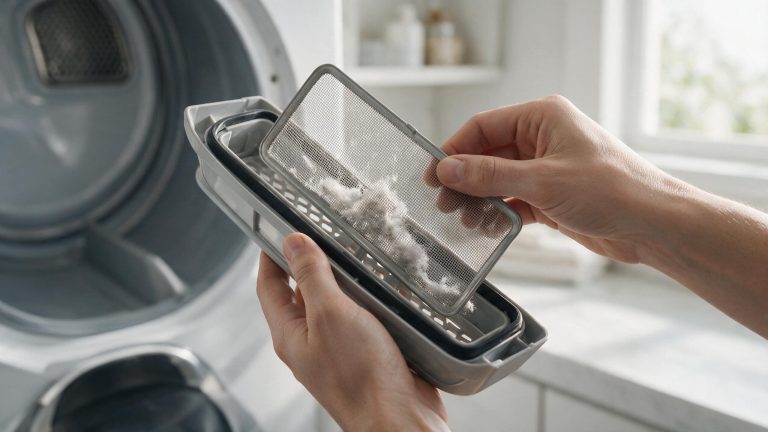
Bosch dryer airflow maintenance depends on whether the model is vented or condensation-based. Start with the model and user-serviceable filters.
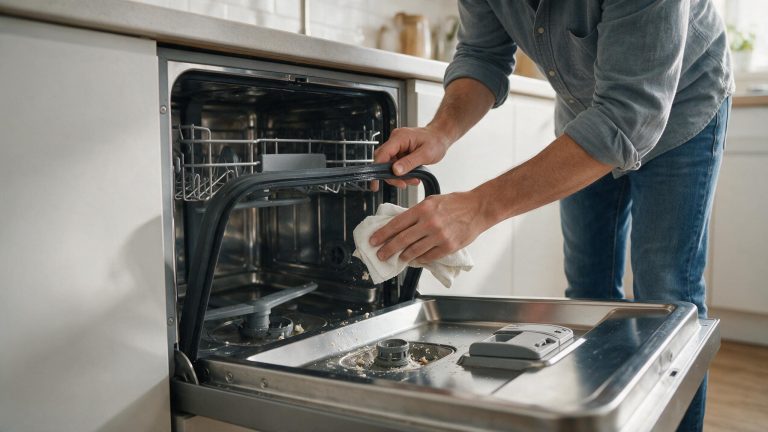
Bosch dishwasher odor often starts where food residue and moisture remain. Clean user-serviceable areas and check whether the machine drains fully.
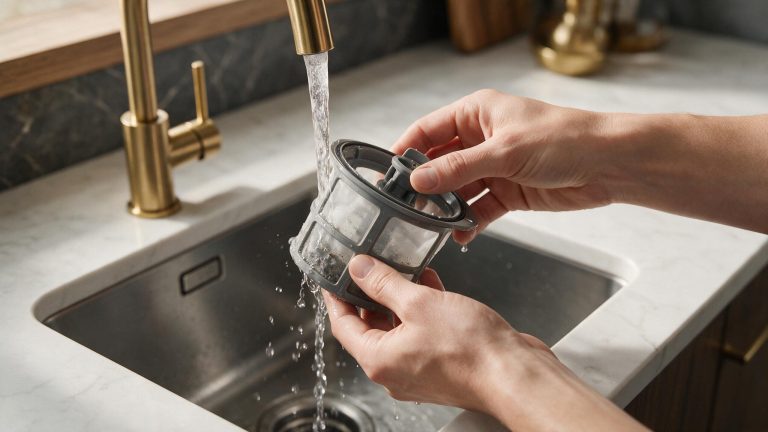
Cleaning a Bosch dishwasher filter is useful maintenance when the model allows it. Follow a simple process and avoid internal disassembly.
Share a few details and we’ll confirm an appointment. Prefer to talk? Call us and we’ll help right away.
Use the secure scheduler below to request your appointment.