Cleaning a Bosch dishwasher filter is useful maintenance when the model allows it. Follow a simple process and avoid internal disassembly.
Cleaning a Bosch dishwasher filter means removing only the filter parts your manual identifies, rinsing them with water and a soft brush, and seating them fully again. It can help with odor, residue on dishes, and slow drainage, but it does not repair a pump or control fault. If water still stands after the filter is clean, move on to the drain checks.
The dishwasher filter is a high-value maintenance point because it can affect drainage, wash performance, and odor at the same time.
The key is to keep a maintenance task from turning into unnecessary disassembly.
| Symptom | What it can point to | What you can safely check |
|---|---|---|
| Gritty film or residue on clean dishes | Soiled or poorly seated filter parts | Remove the filter parts the manual names, rinse them, and refit them fully |
| Dishwasher smells after the cycle | Residue held in the filter and the rim around it | Clean the filter and the dirt rim, then check for water left in the tub |
| Water stays in the bottom of the tub | A blocked filter, or a drain-path problem beyond the filter | Clean the filter first, then follow the drain checks if water remains |
| Display shows a filter-related message | Filters the machine reports as soiled or blocked | Look up the code for your model and clean the filters before running another program |
| Filter will not turn or lock | Debris in the seat or a part not aligned | Do not force it; check your manual for the alignment marks |
Bosch dishwasher designs vary. Use the owner manual for your model/E-Nr before removing any filter component.
Switch the dishwasher off.
The use-and-care manual for one Bosch dishwasher describes a filter system made of a coarse filter, a fine filter, and a micro filter. Together they remove coarse soil from the wash water so it does not return to the dishes or reach the drain pump. The same manual says to check the filters for residue after each wash, which is why the filter is a maintenance item and not a repair item.
That manual also describes a dirt rim between the coarse and fine filter that should be cleaned along with the filter parts. Bosch’s US support page for dishwashers adds that the filter sits at the bottom of the tub and needs regular cleaning to avoid overflow, and it recommends removing the lower rack and spray arm first. Your model may differ, so use its own manual for the order of steps.
Lift or rotate the filter assembly exactly as the manual describes.
Do not remove screws, wiring, pump housings, or internal service panels because a video for a different Bosch model showed them.
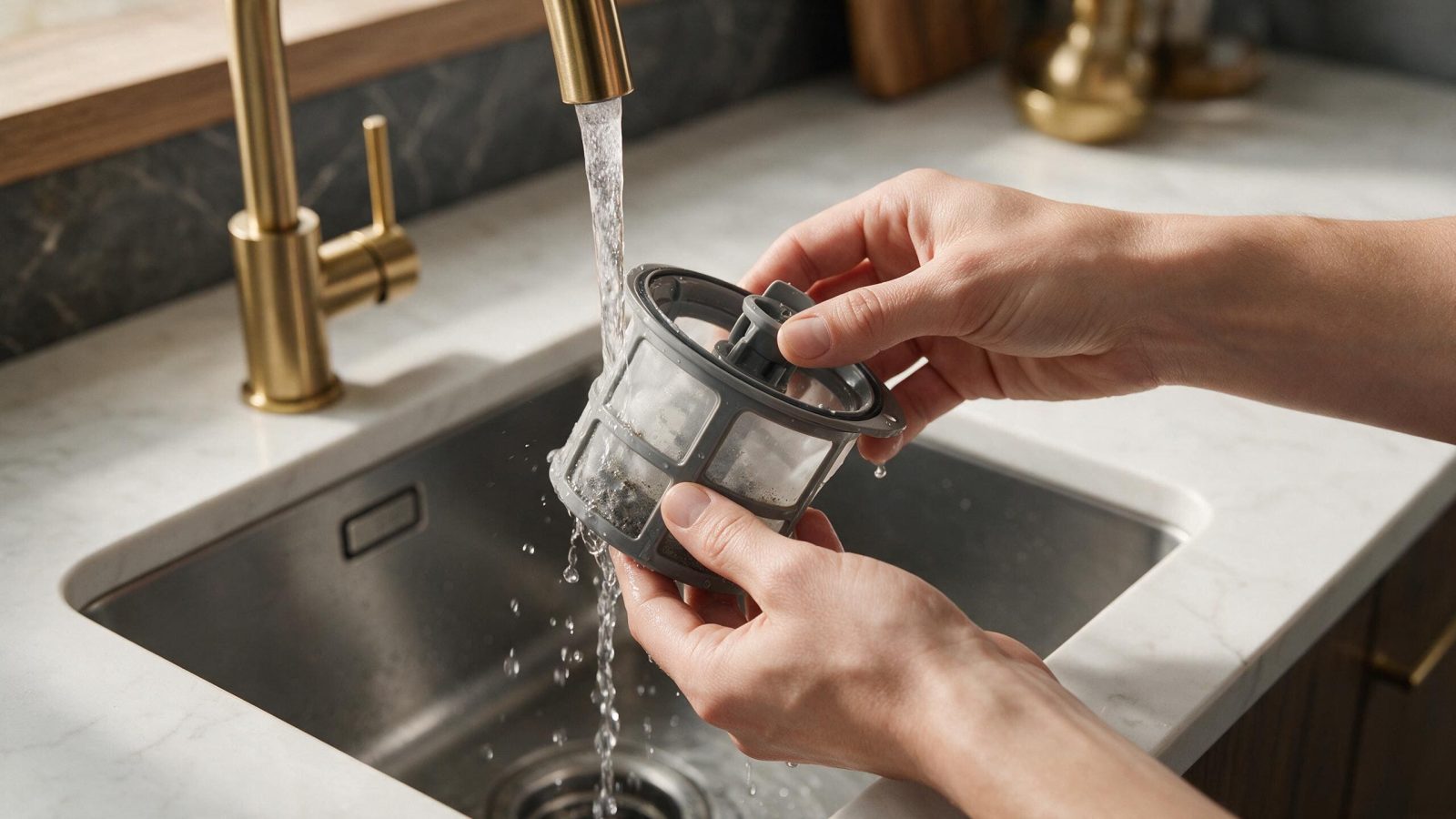
Rinse food residue from the filter. Use a soft brush if needed.
Avoid sharp tools that can damage mesh or plastic.
While the filter is out, inspect the visible area for debris without reaching into inaccessible parts.
For the model in that manual, the sequence is to turn the coarse filter counterclockwise to remove it, pull down the micro filter, release the coarse filter catches, and rinse the parts under running water. Reassembly turns the coarse filter clockwise until the arrows match. Treat this as an example of what a documented procedure looks like, then follow the one for your dishwasher.
Bosch’s support page recommends mild soap and a soft brush for the rinse. Sharp tools can scratch the mesh, which is why the article above says to avoid them.
An incorrectly seated filter can create new wash-performance problems.
Make sure the assembly locks into its normal position before running the next program.
The arrows or marks on the filter are the quickest way to confirm it is seated. If a filter does not turn easily to its stop, take it out and start again instead of pressing harder.
If drainage, odor, or cleaning improves after filter maintenance, you have learned something useful.
If standing water or an E24-style drain warning remains, move to the external drain-path checks in Bosch Dishwasher Won’t Drain: A Step-by-Step External Check.
A code such as E:92-40 on one Bosch manual means filters are soiled or blocked, so a filter-related message is a direct reason to clean them. Water that remains afterward is the signal that the cause lies elsewhere in the drain path.
Cleaning does not fix:
For a recurring drainage or wash problem, use Bosch Dishwasher Repair.
Follow the owner manual and adjust to actual use. A heavily used dishwasher may collect debris faster.
Do not operate it with required components removed.
No. Dishwasher maintenance should not involve aggressive drain chemicals.
Bosch US support says to clean the filter and spray arms every few months and to use Bosch dishwasher cleaner and descaler a few times a year. Your manual is the better guide for your model.
Check that every filter part is seated, because a loose part can let soil pass. Also check whether the dishes were pre-rinsed, since one Bosch manual says pre-rinsing makes the sensors choose a lighter cycle.
The manual for one Bosch model says to turn the coarse filter counterclockwise to remove it and clockwise to lock it back until the arrows match. Other models can differ, so check yours.
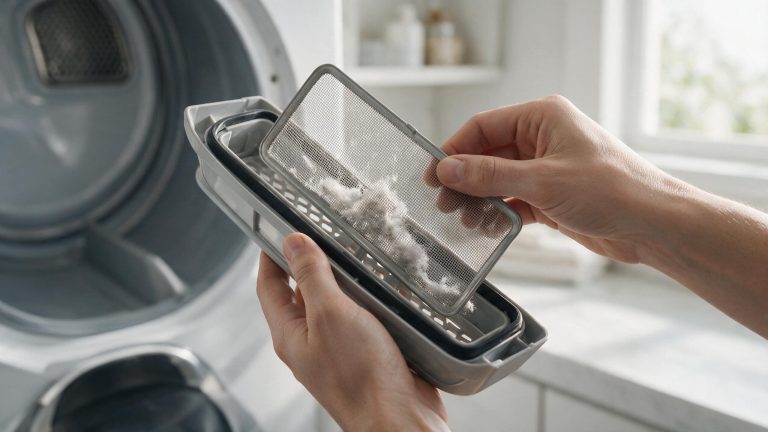
Bosch dryer airflow maintenance depends on whether the model is vented or condensation-based. Start with the model and user-serviceable filters.
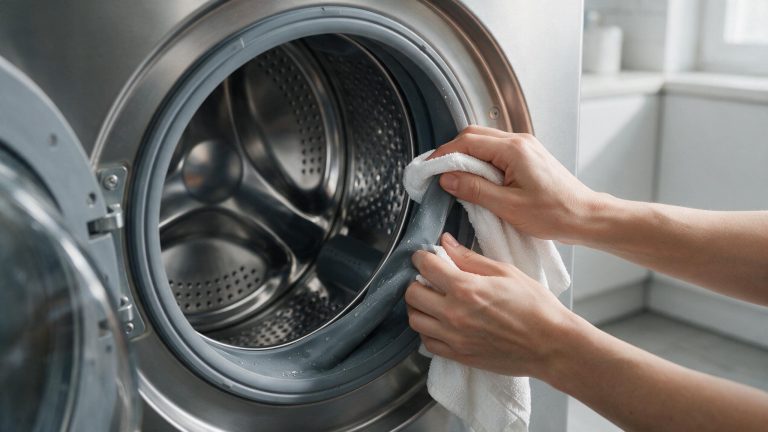
Bosch front-load washer freshness depends on managing moisture and detergent residue. Clean user-accessible areas and let them dry.
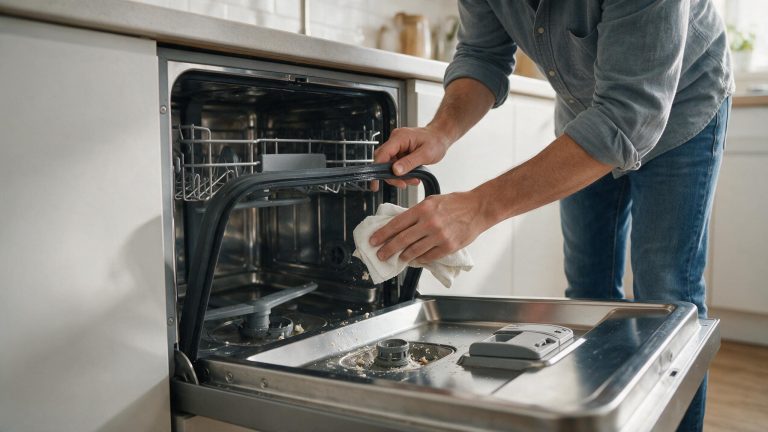
Bosch dishwasher odor often starts where food residue and moisture remain. Clean user-serviceable areas and check whether the machine drains fully.
Share a few details and we’ll confirm an appointment. Prefer to talk? Call us and we’ll help right away.
Use the secure scheduler below to request your appointment.